No Bar Tab, No Last Call: Rebuilding Closing Time for the Online Pokies Era

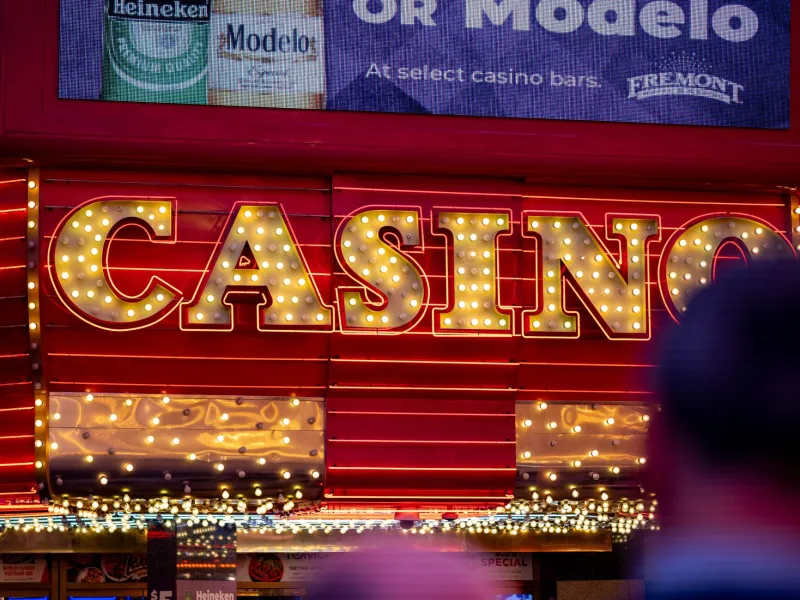
Photo: empty australian pub closing time neon lights, via thumbs.dreamstime.com
There's a particular kind of embarrassment known to every Australian who's ever overdone it at the local: the fluorescent hum of the beer fridge at 2am, the publican's not-so-subtle clinking of glasses, and the moment you realise the night is officially over because someone else decided it is.
Closing time was never really about alcohol. It was about outsourcing your self-control to an institution. Someone else flipped the switch, and you went home — grumbling, maybe, but home.
Online casinos have quietly deleted that arrangement. And most players haven't stopped to think about what that's cost them.
The Circuit Breaker Nobody Knew They Had
Land-based venues in Australia operate under strict hours for a reason. Pubs and clubs close, gaming floors shut down, and even the 24-hour pokies venues in parts of NSW and Victoria have mandatory shutdown periods. These rules exist partly for harm minimisation, but they also do something subtler: they create a natural pause where a player can come up for air.
Anyone who's chased losses knows the feeling of a session that should have ended hours earlier. At a physical venue, the environment eventually forces the issue. The lights come up. The staff start stacking chairs. Your body gets the message even when your brain doesn't want to hear it.
Online, none of that happens. The pokie you're playing at 3pm is pixel-identical to the one at 3am. There's no last drinks call, no bouncer with a torch, no taxi rank full of people heading home. Just you, a glowing screen, and a game engineered to feel exactly the same whether you've been on it for twenty minutes or twenty hours.
Why 24/7 Access Cuts Both Ways
Let's be fair to the industry for a second: round-the-clock access isn't inherently evil. A shift worker on night duty in the Pilbara should be able to have a flutter on their day off, whenever that lands. Casual players like the freedom.
The problem is the asymmetry. The casino has no off-switch, no fatigue, no judgment that degrades after midnight. You do. And the research on late-night gambling is pretty consistent — decision-making gets worse as the hours stretch on, particularly when you're down and trying to win it back.
The old closing time didn't just stop play. It interrupted the spiral. That interruption is exactly what's missing from the online experience, and it's the single biggest structural change between your dad's pokies night at the local leagues club and your own session on the couch.
Building Your Own Last Drinks
If the industry won't call time on you, you have to call it on yourself. That's easier said than done, but a few practical habits go a long way:
Set an alarm before you start, not during. Decide your closing time while you're still rational — before the first spin — and put it in your phone. When it goes off, the session's done. No negotiation, no 'one more bonus round'.
Use the tools that already exist. Most reputable platforms offer session reminders and reality checks. Some let you set hard loss limits that lock you out entirely. They're not there to ruin your fun; they're the digital equivalent of the publican flicking the lights.
Create a physical shutdown ritual. It sounds naff, but closing the laptop, putting the phone in another room, and making a cuppa gives your brain the same 'venue's closing' signal the old environment used to provide for free.
Never gamble past a certain hour. Pick a hard curfew — 11pm, midnight, whatever suits — and treat it like a venue's licensing condition. Late-night you is a worse gambler than afternoon you, and both of you should know it.
A Fair Go Means an Even Playing Field
We bang on about fair play a lot around here, and fairness isn't just about RTP percentages and transparent terms. It's about the conditions of the game itself. A casino that only ever wins — because it never gets tired, never gets emotional, and never has to go to bed — isn't a level contest.
The old closing time was a rough justice, but it was justice. It gave the player a fighting chance to walk away with their pay packet mostly intact.
The online era hasn't taken that chance away. It's just moved the responsibility for it from the publican to you. Which is either an outrage or an opportunity, depending on how honest you're willing to be with yourself.
Either way, the lights aren't coming on. You'll have to flick the switch yourself.